TheFarmersDigest
The Farmers Digest
Jul 29, 2025

Author
Chris Pigge

Editor
Miles Falk
Hereford Cattle: Not a Bad Choice
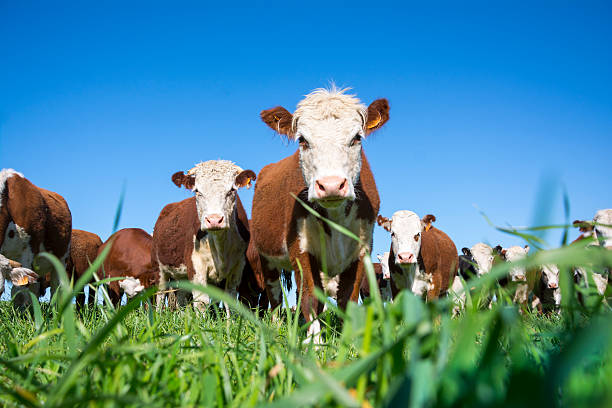
Hereford cattle represent one of the most recognizable and adaptable beef breeds in American agriculture. With their distinctive white faces and red bodies, these cattle have been proving their worth on ranches for over a century. Originally developed in Herefordshire, England, Herefords have adapted to diverse American climates while maintaining the characteristics that made them valuable: hardiness, docility, and consistent beef production.
Before diving into specific breed characteristics, it's important to understand a fundamental principle of animal genetics: there's typically more variation within any breed than between breeds. This means the best individuals of any breed often outperform the average of supposedly "superior" breeds, while the poorest individuals may underperform compared to other breeds entirely. Understanding this principle helps producers focus on selecting quality individual animals within whatever breed they choose, rather than assuming breed selection alone determines success.
For producers considering breed selection or evaluating their current cattle operations, understanding Hereford characteristics provides valuable insight into whether these cattle match specific production goals and management systems. Like any breed, Herefords offer distinct advantages alongside certain limitations that producers should understand before making breeding decisions.
When comparing Herefords to other popular beef breeds, several key differences emerge that affect their suitability for different operations. Their exceptional climate adaptability allows them to thrive in conditions where other breeds might struggle, while their calm temperament makes them suitable for both experienced and beginning cattle producers. However, specific health considerations and market positioning require careful evaluation based on individual farm circumstances.
Understanding Hereford Characteristics and Adaptability
Size and Performance Expectations
Hereford cattle are considered a medium to large-framed breed with substantial size differences between sexes. Mature Hereford bulls typically weigh 1,800-2,400 pounds, while mature cows range from 1,200-1,600 pounds. These weights can vary significantly based on bloodlines, management, and environmental conditions.
Calves demonstrate good growth rates from birth through weaning. Birth weights typically range from 75-85 pounds, with weaning weights averaging 500-650 pounds at 6-8 months of age. Yearling weights often reach 800-1,000 pounds under good management conditions.
For finishing operations, Hereford steers commonly reach slaughter weights of 1,200-1,400 pounds, producing carcasses that dress at approximately 60-65% of live weight. This translates to carcass weights of 720-910 pounds, which fits well within industry standards for premium beef production.
Climate Adaptability
Herefords excel in diverse climatic conditions, demonstrating remarkable adaptability across temperature extremes and varying environmental challenges. According to agricultural research, Herefords thrive in diverse climates, from temperate to extreme conditions, including hot, arid regions and cold, mountainous areas. Their short, dense coat provides natural insulation against cold while allowing effective heat dissipation during warmer periods.
This adaptability stems from their physical characteristics and genetic resilience. Herefords are hardy and can graze on sparse vegetation, making them suitable for challenging terrains. This trait proves particularly valuable for operations managing marginal pastures or dealing with periodic drought conditions where forage quality fluctuates significantly.
The breed's ability to maintain productivity across diverse environments makes them attractive for operations spanning multiple climate zones or dealing with variable weather patterns. Producers in regions experiencing both hot summers and cold winters often find Herefords maintain consistent performance year-round without requiring specialized housing or environmental controls.
However, understanding their limitations proves equally important. While adaptable to many conditions, Herefords may struggle in extreme heat compared to breeds like Brahman, as their thick coats are less suited to very hot climates. For example, in areas like South Texas where summer temperatures regularly exceed 100°F with high humidity, many ranchers prefer Brahman or Brahman-cross cattle over straight European breeds. Additionally, their white facial markings and lightly pigmented udders are prone to sunburn in bright sunlight regions, requiring management considerations in high-UV environments.
Temperament and Handling Advantages
One of Hereford cattle's most valuable characteristics involves their consistently calm and manageable disposition. As with all cattle breeds, there's more variation within the breed than between breeds, but Herefords as a group tend toward docility and ease of handling. Research consistently shows that Herefords are known for their docile and calm disposition, making them easy to handle, reducing stress and safety risks during tasks like vaccinations or transportation.
This temperament advantage extends beyond simple convenience to impact multiple aspects of cattle management. Their gentle nature makes them suitable for both experienced and novice farmers, reducing the learning curve for beginning cattle producers while maintaining safety during routine handling procedures.
The practical implications of calm temperament include reduced labor requirements for routine management, lower stress levels during transport and handling, decreased injury risk for both cattle and handlers, and improved weight gains due to reduced stress-related performance losses. These factors contribute to both improved animal welfare and enhanced operational efficiency.
Like all breeds, individual Herefords vary in temperament, and selecting breeding stock from reputable sources with documented temperament records helps ensure consistent docility in your herd.
Reproduction and Mothering Performance
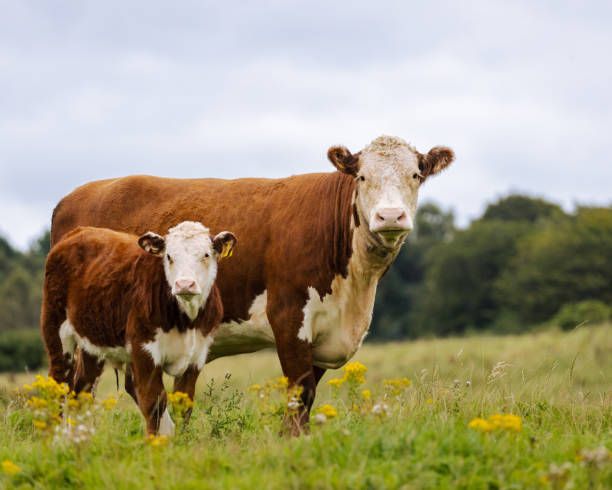
Hereford cattle demonstrate excellent maternal characteristics that contribute significantly to their value in commercial beef operations. According to breed research, Herefords exhibit strong maternal instincts, high fertility, and ease of calving, contributing to high calf survival rates with minimal human intervention.
Their reproductive efficiency extends beyond basic fertility to encompass the complete maternal package. Herefords are known for good milk production to support their calves, enhancing herd productivity. This combination of fertility, calving ease, and adequate milk production creates a reliable foundation for cow-calf operations.
The breed's longevity adds economic value to their reproductive capacity. Herefords can remain productive for 10-15 years with proper management, though most producers cull cows earlier to maintain optimal herd productivity and fertility rates.
However, reproductive management requires attention to genetic selection within the breed. Certain genetic lines may have issues like vaginal prolapse. Conditions like these can be inherited or linked to nutritional deficiencies, requiring careful breeding and management. Modern breeding programs have significantly reduced these issues, but selecting breeding stock from proven bloodlines remains important.
Crossbreeding Applications: Maximizing Maternal Value
Hereford cattle excel as maternal dams (females) in crossbreeding programs, where their proven mothering ability can combine with other breeds' growth or carcass characteristics to create superior cattle. This crossbreeding approach represents one of the most practical applications of Hereford genetics in modern beef production.
The foundation of successful crossbreeding lies in Hereford cows' exceptional maternal traits. Their calm temperament, reliable fertility, ease of calving, and adequate milk production provide the stable maternal platform that crossbreeding programs require. These characteristics ensure that crossbred calves receive excellent care from birth through weaning, maximizing survival rates and growth potential.
Popular Hereford Crosses and Their Applications
The most recognized Hereford cross involves breeding Hereford cows to Angus bulls, creating "Black Baldy" cattle that combine Hereford maternal traits with Angus growth and carcass quality. These crosses typically inherit the Hereford white face marking while displaying black bodies, creating easily identifiable cattle with hybrid vigor benefits. Black Baldy cattle often demonstrate improved growth rates compared to either parent breed while maintaining the docility and mothering ability that makes management straightforward.
Hereford-Angus crosses work particularly well in operations targeting premium beef markets, as the combination typically produces cattle with excellent marbling and carcass quality while maintaining the feed efficiency and adaptability of both parent breeds. The hybrid vigor effect often results in Hereford-cross cows that wean heavier calves than purebred contemporaries.
Terminal crossbreeding programs frequently utilize Hereford cows bred to larger continental breeds like Charolais, Simmental, or Limousin. These crosses capitalize on Hereford maternal ability while adding the growth potential and muscle expression of larger breeds. The resulting calves often demonstrate impressive growth rates and carcass weights while benefiting from Hereford mothering traits during the critical early months.
Implementing Hereford-Based Crossbreeding
Successful crossbreeding begins with selecting quality Hereford females that represent the breed's best maternal characteristics. Focus on cows with proven fertility, easy calving history, adequate milk production, and calm temperament. These foundation females will determine the success of the entire crossbreeding program.
Sire selection should complement Hereford maternal traits while addressing specific production goals. Choose bulls that excel in areas where improvement is desired, such as growth rate, muscling, or carcass quality, while avoiding extreme types that might compromise calving ease or create management difficulties.
Rotational crossbreeding systems using Hereford genetics can maintain hybrid vigor across multiple generations. Three-breed rotations might include Hereford, Angus, and a third breed like Simmental, with breeding decisions based on the cow's genetic composition. These systems require careful planning and record-keeping but can sustain crossbreeding benefits indefinitely.
Market Performance and Beef Quality
Hereford cattle produce beef that consistently meets market standards while maintaining the efficiency characteristics that commercial operations require. According to market analysis, Herefords produce high-quality beef with excellent marbling and tenderness, meeting premium market demands.
Their feed efficiency contributes to operational profitability across diverse production systems. Research shows that Herefords are efficient at converting feed to body mass, reducing production costs. Additionally, their feed efficiency and ability to finish well on grass make them cost-effective for grass-fed beef programs, appealing to operations targeting premium grass-fed markets.
The breed's crossbreeding potential expands market opportunities significantly for breedstock operations. However, market positioning faces certain limitations. Market preferences vary, and some regions may favor other breeds like Angus for Certified Angus Beef programs, potentially reducing demand for Hereford beef or breedstock.
Understanding regional market preferences becomes crucial for Hereford producers. While the breed produces excellent beef, marketing success often depends on matching production systems to local buyer preferences and premium programs available in specific regions.
Health Considerations and Genetic Management
Like all breeds, Herefords face specific health challenges that require informed management and preventive strategies. The most significant concern involves eye-related conditions associated with their distinctive facial pigmentation. Research indicates that Herefords are susceptible to pinkeye, especially in unpigmented eye areas, and eye cancer, which can be fatal if untreated.
These eye conditions result from the breed's characteristic white facial markings, which provide less natural protection against UV radiation and irritation. Preventive management includes providing adequate shade, controlling face flies that spread pinkeye bacteria, and regular monitoring for early detection and treatment of problems.
Genetic disorders represent another management consideration, though modern breeding has significantly reduced their occurrence. Historical concerns include genetic disorders like neuromuscular conditions such as congenital myoclonus and dwarfism, necessitating genetic testing and selective breeding. Reputable breeders typically screen for these conditions and provide health warranties for breeding stock.
The breed's overall health profile remains positive when proper breeding and management practices are followed. Prolapse issues in some lines have historically been a concern, though modern genetics have reduced this. Contemporary breeding programs focus on selecting against these problems while maintaining the breed's positive characteristics.
Active Herd Improvement Through Selection
Successful Hereford operations continuously improve their genetics through strategic culling and breeding decisions. This involves identifying and removing animals with health problems, poor temperament, reproductive issues, or inadequate performance while retaining the best individuals for breeding. Cows that have a great body structure and consistently produce healthy, fast-growing calves with good temperaments should form the foundation of future breeding decisions.
Systematic record keeping becomes essential for tracking which animals perform well and which create problems. This includes documenting calving ease, weaning weights, health issues, and temperament observations for both cows and their offspring. Over time, these records reveal genetic patterns that guide culling and breeding decisions, allowing producers to steadily improve their herd's overall quality and reduce problem traits.
Successful Hereford health management involves working with veterinarians familiar with breed-specific considerations, selecting breeding stock from reputable sources with documented health histories, implementing preventive protocols for common conditions like pinkeye, and maintaining breeding records to track genetic trends within individual herds.
The Bottom Line
There's a reason Herefords are one of the most popular breeds. Hereford cattle offer a proven combination of maternal ability, climate adaptability, and docile temperament that works well for many beef operations. Their efficiency on pasture-based systems and value in crossbreeding programs make them particularly attractive for producers seeking reliable, low-maintenance cattle.
While they require management considerations in extreme heat and may not suit every premium market program, Herefords provide a solid foundation for operations prioritizing consistent performance over maximum specialization. For producers willing to select quality breeding stock and work with breed-specific characteristics, Herefords deliver the dependable productivity that has sustained their popularity across changing agricultural conditions.
References
Discover Texas Real Food. "Hereford Cattle: Comprehensive Guide to Breeding and Care."
Ablison. "Pros and Cons of Hereford Cattle."
The Ranching Guide. "The Hereford Breed: Characteristics and Ranching Benefits."
Storyteller Farm. "Herefords."
TexAgs Forums. "Pros and Cons of Herefords."
Educational Wave Hub. "Pros and Cons of Hereford Cattle."
Farm Bureau. "Miniature Hereford Cattle Growing in Popularity."
Cow Caretaker. "Hereford Cattle."
AgriStuff. "Hereford Cattle: Everything You Need to Know."
V8 Ranch. "Brahman Hereford Cross."
Homestead on the Range. "Hereford."
CattleToday Forums. "Pros and Cons of Herefords."