TheFarmersDigest
The Farmers Digest
Jul 21, 2025

Editor
Chris Pigge

Editor
Miles Falk
Getting Started with Goats: A Beginner's Guide to Understanding the Basics
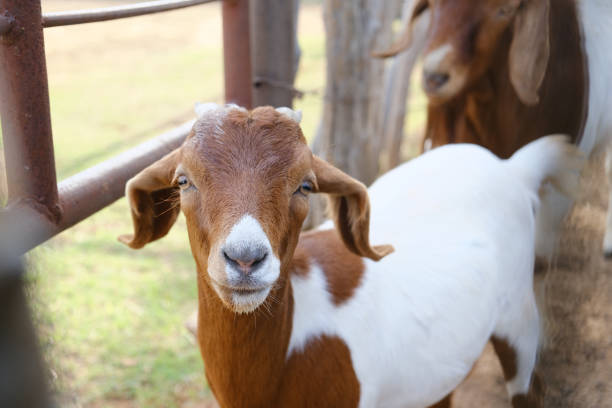
Goats represent one of agriculture's most versatile and adaptable livestock species, capable of thriving in environments where other animals struggle while providing meat, milk, fiber, and vegetation management services. Whether you're considering a small hobby herd or exploring commercial possibilities, understanding the fundamentals of goat behavior, terminology, and management provides the foundation for success with these intelligent and resourceful animals.
Unlike larger livestock, goats offer multiple production opportunities from relatively modest investments in land and infrastructure. Their smaller size makes them manageable for beginning livestock owners, while their efficiency in converting marginal browse into valuable products makes them attractive for operations seeking to utilize rough or brushy land that other livestock cannot access effectively.
Goats are natural browsers rather than grazers, preferring woody plants, weeds, and brush over grass. This characteristic makes them excellent land management tools for clearing overgrown areas while providing income through meat, milk, or fiber production. Their adaptability to diverse climates and ability to thrive on marginal land has made them valuable livestock in both developed and developing agricultural systems worldwide.
Essential Goat Terminology
Learning goat terminology helps navigate conversations with other producers, veterinarians, and livestock markets. These terms form the foundation of goat husbandry knowledge across all production systems.
Doe: A mature female goat, typically over one year of age or after giving birth to her first kids. Does form the productive foundation of goat operations and are evaluated based on their mothering ability, milk production, and overall productivity.
Buck: An intact male goat used for breeding. Bucks have a distinctive musky odor, especially during breeding season, and require separate housing from does when not breeding. Their strong smell and potentially aggressive behavior during rut make them challenging to manage.
Wether: A castrated male goat raised primarily for meat production. Wethers grow more docile than bucks and often reach higher weights with better meat quality while being easier to handle and house with other goats.
Kid: A young goat under one year of age, regardless of gender. Kids typically weigh 5-10 pounds at birth and grow rapidly during their first months of life.
Yearling: A goat between one and two years of age. Yearling does often breed for the first time during their second year of life, though some breeds can breed earlier.
Herd: A group of goats managed together. Goats are highly social animals that perform poorly when kept alone and require companionship to thrive.
Kidding: The process of giving birth in goats. Does typically give birth to 1-3 kids per pregnancy, with twins being most common in many breeds.
Gestation: The pregnancy period in goats, lasting approximately 150 days (about 5 months). This allows for breeding twice per year under optimal management conditions.
Estrus/Heat: The period when does are receptive to breeding, occurring every 18-21 days during the breeding season. Heat periods typically last 12-48 hours.
Freshening: The term used when a doe gives birth and begins producing milk. A doe is considered "fresh" when she starts her lactation cycle.
Understanding Goat Behavior
Goats exhibit complex social behaviors and high intelligence that significantly affect their management requirements. They form clear social hierarchies within herds and prefer familiar companions, making group dynamics important for stress reduction and optimal performance.
Their browsing instinct drives them to seek elevated positions and diverse plant materials. Goats naturally prefer to eat at shoulder height or above, leading to their reputation for climbing and their ability to utilize browse that other livestock cannot reach. This behavior makes them excellent for brush clearing but requires consideration in facility design and pasture management.
Goats are notorious escape artists with remarkable problem-solving abilities. They test fencing constantly and remember weak points, making secure containment systems essential. Their intelligence means they quickly learn routines and can be trained, but they also become bored easily and may develop destructive behaviors without adequate mental stimulation.
Unlike sheep that flock tightly when stressed, goats tend to scatter and seek individual escape routes. This behavior affects handling facility design and herding techniques. Their curiosity and intelligence make them interesting animals to work with, but also require consistent management approaches.
Their social nature means goats should never be kept alone. A single goat will often become destructive, noisy, and stressed. Most experts recommend keeping at least three goats to provide adequate social interaction and reduce individual stress levels.
Meat vs. Dairy vs. Fiber: Understanding Production Systems
The distinction between meat, dairy, and fiber goat production affects breed selection, management practices, infrastructure needs, and marketing approaches. Understanding these differences helps determine which system matches your goals and resources.
Meat Goat Production
Meat Goat Production focuses on raising goats for slaughter, with operations typically managing breeding herds that produce kids for market. Meat goats are usually managed on pasture, woodlands, and brushy areas with minimal daily labor requirements compared to dairy operations.
Popular meat breeds include Boer goats, known for their rapid growth and muscling, and Kiko goats, selected for hardiness and maternal ability.
Meat goat operations typically breed does to kid once or twice annually, weaning kids at 3-4 months for immediate market or retaining them for additional growth. Market kids usually weigh 60-80 pounds at 6-8 months of age, though this varies by breed and management system.
Dairy Goat Production
Dairy Goat Production requires more intensive daily management but can generate year-round income through milk sales. Dairy goats typically produce 6-12 pounds of milk daily during peak lactation, depending on breed and individual genetics.
Common dairy breeds include Nubian goats, known for high butterfat content, Saanen goats that produce large volumes of milk, and Nigerian Dwarf goats that work well for smaller operations. Each breed offers different milk production characteristics and management requirements.
Dairy operations require milking twice daily, proper milk handling and storage facilities, and often compliance with local health department regulations. The learning curve for dairy goat management is steeper than meat production, particularly regarding nutrition, milking procedures, and herd health protocols.
Fiber Goat Production
Fiber Goat Production represents a small niche in US goat production, primarily involving Angora goats for mohair production. While specialty fiber markets exist, very few American producers focus on fiber as their primary enterprise, making this option worth awareness but not detailed consideration for most beginning producers.
Basic Nutrition and Feeding Requirements
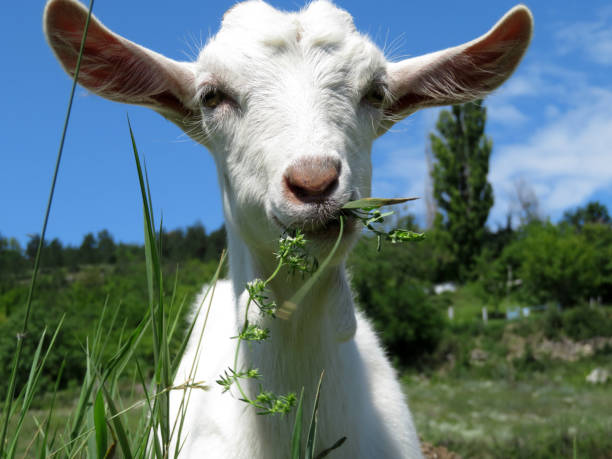
Goats are ruminants with four-chambered stomachs that allow them to digest browse, brush, and forages efficiently. However, their nutritional needs differ from cattle and sheep due to their browsing preferences and smaller body size.
Browse vs. Pasture
Browse vs. Pasture: Goats prefer woody plants, weeds, brush, and forbs over grass, though they will consume quality pasture when browse is unavailable. According to research from multiple university extension services, goats will choose browse over grass when both are available, making them excellent for brush control and land clearing projects.
Their natural diet includes leaves, twigs, bark, and weeds that other livestock avoid. This browsing ability allows goats to thrive on marginal land while providing vegetation management services. However, browse alone may not provide adequate nutrition for high-producing animals.
Supplemental Feeding
Supplemental Feeding: Breeding does, lactating dairy goats, and growing kids often require grain supplementation to meet their nutritional needs. Dairy goats in particular need carefully balanced rations to support milk production while maintaining body condition.
Grain feeding should be introduced gradually and fed in appropriate amounts based on production level and forage quality. Overfeeding grain can cause digestive upset and metabolic problems. While grain supplementation can accelerate growth and improve performance, it's not always necessary depending on available browse quality and market requirements.
Water Requirements
Water Requirements: Goats need constant access to clean, fresh water. A mature goat typically drinks 1-3 gallons daily, with consumption increasing during hot weather and lactation. Dairy goats require substantially more water than dry does due to milk production demands.
Mineral Supplementation
Mineral Supplementation: Goats often benefit from access to minerals formulated specifically for their needs, though those on diverse, mineral-rich land may obtain adequate minerals naturally from their environment. Like sheep, goats are sensitive to copper toxicity but have higher copper requirements than sheep. Using minerals designed for goats rather than cattle or sheep prevents both deficiency and toxicity problems when supplementation is provided.
Poisonous Plants
Poisonous Plants: While goats naturally tend to avoid many toxic plants when they have adequate feed options and diverse choices, this instinct isn't foolproof. Goats can still be poisoned when they're hungry, stressed, in unfamiliar environments, or when toxic plants are mixed with palatable feed. Owners should learn to identify problematic plants like wild cherry, azaleas, and rhododendrons, particularly in areas where goats might have limited feed options.
Infrastructure and Fencing Considerations
Successful goat operations require adequate fencing and shelter, with infrastructure needs varying based on production goals and local conditions. Goats' escape tendencies make secure containment one of the highest priorities for any goat operation.
Fencing Systems
Fencing Systems: Goat fencing must be taller and more secure than cattle or sheep fencing due to their climbing ability and determination to escape. Woven wire fencing at least 4 feet tall works well for perimeter containment, while electric fencing can provide interior subdivision when properly installed.
Many successful operations use combination systems with permanent perimeter fencing and temporary electric subdivisions for rotational browsing. The key principle involves making fencing tall enough, tight enough, and secure enough that escape becomes more difficult than staying contained.
Shelter Requirements
Shelter Requirements: Goats need access to shelter from rain, wind, and extreme temperatures, but housing requirements are less demanding than dairy cattle or pigs. Three-sided shelters provide adequate protection in most climates, with ventilation being more important than elaborate construction.
Dairy goats may require more sophisticated housing that includes milking facilities, feed storage, and areas for separating does during breeding or kidding. However, many successful dairy operations use relatively simple facilities that prioritize functionality over appearance.
Handling Facilities
Handling Facilities: Basic handling facilities including sturdy corral panels, working chutes, and loading areas improve both safety and efficiency during routine management tasks. Goats' agility and tendency to climb require facilities designed specifically for their behavior patterns.
Predator Protection
Predator Protection: Goat operations, particularly those with kids, face significant predator pressure from coyotes, dogs, mountain lions, and other predators depending on location. Guardian animals, secure fencing, and strategic pasture location help minimize losses.
Livestock guardian dogs, llamas, or donkeys can provide effective predator deterrence when properly trained and managed. However, guardian animals require their own management considerations and ongoing costs.
Health and Management Basics
Goat health management emphasizes prevention through proper nutrition, housing, and routine care. Understanding basic health principles helps prevent most common problems while recognizing when professional veterinary assistance becomes necessary.
Vaccination Programs
Vaccination Programs: Basic vaccination schedules typically include protection against clostridial diseases (CDT vaccine) and tetanus. Additional vaccines may be recommended based on local disease prevalence and production system.
Consult with a veterinarian familiar with goats to develop appropriate vaccination protocols for your area and operation type. Vaccination needs may differ between meat and dairy operations due to different risk levels and management intensities.
Parasite Management
Parasite Management: Internal parasites, particularly stomach worms, represent the primary health challenge for goat operations. Goats are generally more susceptible to parasites than cattle but can be managed successfully through rotational browsing, proper stocking rates, and strategic deworming.
The FAMACHA system allows producers to monitor parasite loads by checking the inner eyelid color for pale or white coloring, which indicates anemia from internal parasites and helps determine when deworming becomes necessary. Overuse of dewormers leads to resistance problems, making strategic treatment essential.
Hoof Care
Hoof Care: Regular hoof trimming prevents lameness and maintains mobility. Trimming frequency varies significantly with breed, terrain, and individual animals. Goats kept on rocky terrain may need less frequent trimming than those on soft ground.
Kidding Management
Kidding Management: Does usually kid without assistance, but monitoring during kidding season helps identify problems early. First-time mothers may need more attention, and having basic kidding supplies available prevents emergency situations.
Disbudding
Disbudding: Most goat operations disbud kids at 3-10 days of age to prevent horn growth. This practice improves safety and reduces injuries within herds. Common techniques include hot iron disbudding, chemical disbudding paste, or surgical removal. Proper technique and timing are essential for effective disbudding.
Getting Started Considerations
Beginning goat producers should start with clear goals and realistic expectations. Goats require different management approaches than cattle or sheep, making education essential for success.
Production System Selection
Production System Selection: Choose systems that match your goals, resources, and management capacity. Meat goat operations require less daily labor but depend on reproduction and marketing efficiency. Dairy operations generate more frequent income but require twice-daily milking commitments.
Breed Selection
Breed Selection: Select breeds appropriate for your climate, production goals, and management system. Boer goats excel for meat production, while Nubian or Saanen goats work well for dairy operations. Consider purchasing bred does or doe-kid pairs to start production immediately.
Herd Size
Herd Size: Starting with 5-10 does allows meaningful learning without overwhelming beginners. Plan for adequate fencing and facilities to accommodate breeding and kid production.
Infrastructure Planning
Infrastructure Planning: Invest in adequate fencing from the beginning, as escaped goats create problems with neighbors and predator exposure. Start with essential facilities and upgrade gradually based on experience and production growth.
Market Development
Market Development: Understand your marketing options before acquiring goats. Meat goats can access commodity markets through livestock auctions, while dairy operations often depend on developing direct sales channels for premium pricing.
Learning Resources
Learning Resources: Connect with local goat producers, extension agents, and veterinarians to build knowledge and support networks. Many areas have goat producer associations that offer educational programs and networking opportunities.
Economic Realities and Market Considerations
Goat operations can provide profitable enterprises at various scales, though success depends on matching production systems to market opportunities and management capabilities.
Meat Goat Markets
Meat Goat Markets: The economics of meat goat production depend heavily on efficient reproduction, low input costs, and access to adequate markets. Ethnic markets represent the primary demand driver for goat meat in the US, particularly areas with Hispanic, Middle Eastern, Caribbean, and African populations where goat meat is a traditional protein source. These markets often pay premium prices compared to conventional livestock auctions and provide more consistent demand.
Holiday periods like Easter, Ramadan, and various cultural celebrations create seasonal price spikes that astute producers can capitalize on through strategic breeding timing. Some operations focus exclusively on these ethnic market opportunities, while others diversify through conventional auction sales or direct marketing to adventurous consumers seeking alternative proteins.
Direct marketing to restaurants or ethnic markets may provide better prices than auction barns, though this requires developing relationships and consistent quality. Some operations focus on breeding stock sales rather than meat production to capture higher per-head returns.
Dairy Goat Economics
Dairy Goat Economics: Dairy goat operations can generate year-round income through milk sales, though success requires developing processing capabilities or direct sales channels. Successful dairy goat operations often focus on direct marketing to capture premium prices for fresh goat milk, artisan cheeses, or specialty products like goat milk soap. The market for goat dairy products continues growing as consumers seek alternatives to cow dairy products.
Artisan cheese production, farmers market sales, or Community Supported Agriculture (CSA) programs provide alternatives to commodity milk pricing. Value-added products like goat milk soap, lotions, or specialty foods can significantly increase returns per gallon of milk produced. However, these enterprises require additional skills in product development, regulatory compliance, and marketing.
Fiber Production
Fiber Production: Mohair and cashmere markets serve niche textile industries, but very few US producers focus on fiber production as their primary enterprise due to limited market access and specialized requirements.
Scale Considerations
Scale Considerations: Goat operations can be profitable at smaller scales than cattle operations due to lower per-animal investments and land requirements. However, very small herds may not generate sufficient income to justify the time investment required for proper management.
Successful commercial operations typically run 50-200 does, while hobby operations might maintain 10-25 does. The key lies in matching scale to available resources and management capacity rather than pursuing arbitrary herd sizes.
Making the Decision
Goats offer unique opportunities for livestock producers, particularly those with brushy or marginal land that other livestock cannot utilize effectively. Their smaller size, diverse production possibilities, and adaptability make them accessible to producers with limited resources.
Success with goats requires understanding their unique characteristics and management needs. They are not miniature cattle that can be managed with identical techniques, nor are they low-maintenance animals that require no daily attention. However, well-managed goat operations can provide sustainable income, effective land management, and personal satisfaction from working with intelligent animals.
The key lies in starting with clear goals, adequate infrastructure, and commitment to learning proper management techniques. Goats reward good management with productivity and profitability while punishing poor practices with escape problems, health issues, and disappointing performance.
Understanding these fundamentals provides the foundation for making informed decisions about whether goats fit your land, goals, and lifestyle. With proper planning and realistic expectations, goats can offer rewarding opportunities for agricultural production, land management, and rural lifestyle enhancement.
Their versatility in providing meat, milk, fiber, and vegetation management services makes them valuable additions to diverse agricultural operations when managed with appropriate understanding of their unique requirements and potential.
References
American Dairy Goat Association. "Getting Started with Dairy Goats."
American Goat Society. "Goat Production Resources."
Oklahoma State University. "Goat Breeds and Production."
University of Maryland Extension. "Goat Production."
Texas A&M AgriLife Extension. "Goat Production and Management."
Cornell University Cooperative Extension. "Goat Production."
Virginia Tech Extension. "Goat Production Systems."
North Carolina State University Extension. "Goat Management."
University of Georgia Extension. "Goat Production."
Bivatec - "Top 10 Mistakes to Avoid in Goat Farming (And How to Fix Them)"
ProAgri Media - "Farming Basics: Goat farming"
FICSI - "How to Start Goat Farming in India: A Complete Guide"
MannaPro - "Beginner's Guide to Raising Goats"
FarmstandApp - "10 Essential Steps: Your Complete Guide to Goat Farming Success"
Bajaj Finserv - "Goat Farming Business Plan: How to Start Goat Farming in India"
Goat Farming IN - "A Guide to Small-Scale Rural Goat Farming: Tips, Tricks, and Best Practices"