TheFarmersDigest
The Farmers Digest
Jul 18, 2025
Author
Chris Pigge

Editor
Miles Falk
Getting Started with Cattle: A Beginner's Guide to Understanding the Basics
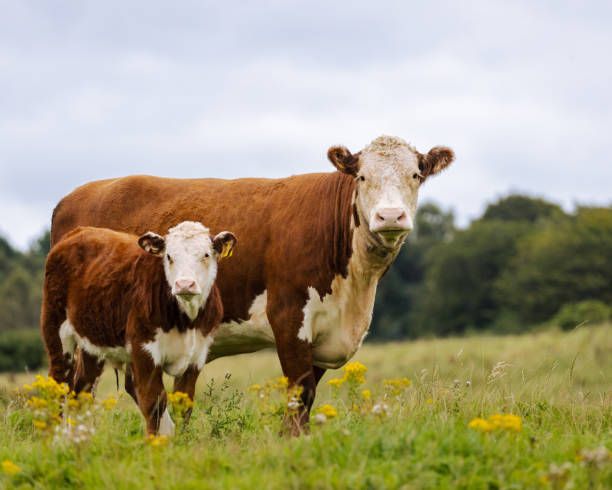
Cattle represent the backbone of American agriculture, converting grass and forages into high-quality protein while providing opportunities for both beginning and experienced livestock producers. Whether you're considering a small beef operation or exploring the possibilities of cattle production, understanding the fundamentals of cattle terminology, types, and basic care provides the foundation for making informed decisions about these impressive animals.
Unlike smaller livestock, cattle offer substantial production potential from individual animals while serving multiple farm functions including meat production, pasture management, and land utilization. Their size and grazing ability make them particularly suited for converting marginal land into productive agricultural enterprises. However, success with cattle requires understanding basic concepts that differ significantly from other livestock operations.
The scale of cattle operations varies dramatically, from small hobby farms with a few head to large commercial ranches running thousands of animals. This flexibility allows producers to match their cattle enterprise to their land, capital, and management capacity while building experience gradually over time.
Essential Cattle Terminology
Learning cattle terminology helps navigate conversations with other producers, veterinarians, and livestock markets. These terms form the foundation of cattle management knowledge.
Cow: A mature female that has given birth to at least one calf. Cows form the production unit of beef herds and are typically evaluated based on their mothering ability, milk production, and reproductive performance.
Bull: An intact male used for breeding. Bulls can weigh 1,800-2,500 pounds or more and require different handling and management considerations than other cattle. Most operations need only one bull for every 25-40 cows, depending on the breeding system and pasture conditions.
Steer: A castrated male raised primarily for meat production. Steers typically grow more docile than bulls and often reach higher finished weights with better meat quality. Most beef cattle destined for market are steers.
Heifer: A young female that has not yet given birth to a calf. Heifers may be kept as replacement breeding stock or sold for meat production. First-calf heifers require more attention during their initial breeding and calving.
Calf: A young animal under one year of age, regardless of gender. Calves stay with their mothers for 6-8 months before weaning in most beef operations.
Yearling: Cattle between one and two years of age. Yearling heifers often breed for the first time during their second year of life.
Herd: A group of cattle managed together. Cattle are social animals that perform better in groups than alone, though they don't flock as tightly as sheep.
Calving: The process of giving birth. Most cattle give birth to single calves, though twins occur occasionally in some breeds.
Weaning: The process of separating calves from their mothers, typically occurring at 6-8 months of age when calves weigh 450-650 pounds.
Understanding Cattle Behavior
Cattle are herd animals with established social structures that affect their management needs. They form hierarchies within groups and prefer familiar companions, which influences handling and facility design. Unlike sheep that bunch tightly when scared, cattle tend to spread out but still move as a group when managed properly.
Their grazing behavior makes them excellent partners in multi-species operations. Cattle prefer taller grasses and can handle coarser forages that sheep and goats avoid. They graze with their tongues, wrapping around grass stems and pulling, which differs from sheep that bite close to the ground. This complementary grazing pattern allows cattle and sheep to utilize pastures more completely than either species alone.
Cattle have excellent memories and can become difficult to handle if they associate humans with negative experiences. Calm, consistent handling practices early in life create cattle that are easier and safer to work with throughout their productive lives. Understanding their flight zone and natural movement patterns makes handling more efficient and less stressful for both animals and handlers.
Beef vs. Dairy: Understanding the Fundamental Difference
The distinction between beef and dairy cattle affects management, facilities, infrastructure needs, and market opportunities. This choice fundamentally shapes the operation's direction and daily requirements.
Beef Cattle are raised primarily for meat production, with operations typically focused on breeding, raising, and finishing cattle for harvest. Beef operations require less daily labor than dairy but need adequate pasture and facilities for handling. Most beef cattle spend their lives on pasture, requiring less intensive housing and equipment.
Many beef cattle in commercial systems spend their final months in feedlots, where they receive high-energy grain-based diets to achieve rapid weight gain and improved meat quality. Feedlots concentrate cattle in smaller areas with intensive feeding programs, representing a different production phase from pasture-based cow-calf or stocker operations. Some producers finish cattle entirely on grass, marketing "grass-fed beef" that commands premium prices in certain markets. Understanding this system helps producers decide whether to sell weaned calves, backgrounded yearlings, or retain ownership through finishing.
Beef cattle breeds like Angus, Hereford, and Charolais have been selected for meat production characteristics including growth rate, muscling, and feed efficiency. While cattle can breed year-round, most operations concentrate breeding during specific periods for management purposes. According to USDA data, approximately 70-75% of beef calves are born during spring months (February through May), which means most breeding occurs during late spring and early summer (May through July) to match calving with optimal forage conditions. Cattle have a gestation period of approximately 283 days (about 9.5 months).
Dairy Cattle are managed primarily for milk production, typically requiring milking twice daily for optimal production, though once-daily milking is possible with reduced milk yield. Dairy operations demand significant infrastructure including milking facilities, feed storage, and often more intensive housing systems. Holstein, Jersey, and Brown Swiss represent common dairy breeds selected for milk production volume and components.
Dairy operations require consistent daily labor, specialized equipment, and often access to processing facilities or milk markets. The learning curve for dairy management is steeper than beef, particularly regarding nutrition, milking procedures, and herd health protocols.
For beginning cattle producers, beef operations typically offer a more manageable entry point with lower infrastructure requirements and more flexible daily schedules.
Basic Nutrition and Feeding Requirements
Cattle are ruminants with four-chambered stomachs that allow them to efficiently digest forages and convert grass into high-quality protein. This digestive system enables them to thrive on pastures and hay while requiring minimal grain supplementation under most circumstances.
Pasture Requirements
Quality pasture can meet most nutritional needs for beef cattle during the growing season. Cattle typically consume 2-3% of their body weight in dry matter daily. A 1,200-pound cow needs approximately 24-36 pounds of dry matter per day, which translates to 50-70 pounds of fresh pasture depending on moisture content and forage quality.
Unlike sheep that require significant legume content, cattle can thrive on grass-dominated pastures, though they benefit from diverse plant communities including legumes. According to University of Minnesota Extension, beef cattle operations often target pastures with 40-60% grass and 40-60% legumes, with minimal forb content as cattle generally prefer grasses over other plant types. The key lies in providing adequate forage quantity and maintaining pasture quality through proper grazing management.
Hay and Supplemental Feeding
During winter months or when pasture quality declines, hay becomes the primary feed source. Good quality grass hay can maintain cattle in acceptable condition, though pregnant and lactating cows may require higher quality forages or supplementation.
A 1,200-pound cow typically requires 25-35 pounds of hay daily during winter feeding, depending on hay quality and weather conditions. Poor quality hay may require protein supplementation to maintain body condition.
Water Requirements
Cattle need constant access to clean, fresh water. A mature cow can drink 30-50 gallons daily during hot weather, making adequate water supply crucial for cattle operations. Water consumption varies with temperature, lactation status, and feed type.
Mineral Supplementation
Cattle require access to minerals, particularly salt, calcium, phosphorus, magnesium, and trace elements like copper, zinc, and selenium. Unlike sheep, cattle have higher copper requirements and can utilize cattle-specific mineral supplements safely.
Grain Feeding
While not necessary for maintenance, grain supplementation can accelerate growth in developing cattle or improve body condition in breeding stock. Corn, barley, and oats are commonly used grains, but introduction should be gradual to prevent digestive upset.
Infrastructure and Fencing Considerations
Successful cattle operations require adequate fencing, handling facilities, and shelter, though the requirements vary significantly based on operation size and management intensity.
Fencing
Cattle require stronger fencing than sheep due to their size and strength. Options include woven wire, barbed wire, electric fencing, or combinations of these systems. Electric fencing can work well for cattle once they're trained to respect it, making it cost-effective for rotational grazing systems.
Perimeter fencing must contain cattle reliably while allowing for safe handling and movement. Interior fencing for rotational grazing can be temporary, using polywire or temporary electric systems that allow flexible paddock management.
Handling Facilities
Even small cattle operations benefit from basic handling facilities including sturdy corral panels, a working chute, and loading facilities. These investments improve both safety and efficiency during routine management tasks like vaccination, pregnancy checking, and loading for transport.
Shelter Requirements
Cattle are remarkably hardy and can withstand harsh weather conditions with minimal shelter. Three-sided shelters or windbreaks provide adequate protection in most climates. Natural windbreaks like trees or terrain features often suffice for pasture-based operations.
Water Systems
Adequate water delivery represents a critical infrastructure component. Cattle operations need higher capacity water systems than sheep or goat operations due to cattle's substantial daily water consumption. Automatic waterers, tanks, or pond systems must provide reliable access while withstanding cattle use.
Health and Management Basics
Cattle health management focuses on prevention through proper nutrition, vaccination, and husbandry practices. Understanding basic health principles helps prevent most common problems while recognizing when professional veterinary assistance becomes necessary.
Vaccination Programs
Basic vaccination schedules typically include protection against respiratory diseases, clostridial diseases, and reproductive diseases, though vaccination needs depend on your management system and location. Most producers implement vaccination programs, but some operations with lower disease pressure or extensive management systems may use minimal vaccinations. Consult with a veterinarian familiar with cattle to develop an appropriate vaccination protocol for your area and operation type.
Parasite Management
Internal parasites can affect cattle performance, particularly in young animals. Rotational grazing, proper stocking rates, and strategic deworming help manage parasite loads effectively. Cattle generally have fewer parasite problems than sheep and goats.
Hoof Care
Cattle typically require less frequent hoof trimming than sheep, but regular observation for lameness and hoof problems remains important. Dry conditions and proper nutrition help maintain hoof health.
Reproductive Management
For breeding operations, understanding cattle reproductive cycles, breeding seasons, and calving management becomes essential. Most beef cattle breed during specific seasons to match calving with favorable weather and forage conditions.
Getting Started Considerations
Beginning cattle producers should start with realistic goals and expand gradually as experience and confidence develop. Initial decisions about herd size, breed selection, and management approach establish the foundation for long-term success.
Breed Selection
Choose breeds that match your climate, management capacity, and production goals. Popular beef breeds like Angus and Hereford work well for beginners, while dairy breeds require more intensive management. Consider purchasing bred cows or cow-calf pairs to start, which provides immediate production while learning cattle management.
Herd Size
Starting with 5-10 bred cows allows meaningful learning without overwhelming beginners. Cattle are social animals but less dependent on group dynamics than sheep. Small herds remain manageable while providing experience with calving, breeding, and marketing.
Infrastructure Planning
Basic fencing, water systems, and handling facilities represent minimum requirements. Start with essential infrastructure and upgrade gradually based on experience and needs. Adequate facilities improve both safety and efficiency.
Marketing Considerations: Sale Barn vs. Direct-to-Consumer
Understanding your marketing options becomes crucial for cattle operation success, as different marketing channels require different management approaches and offer varying economic returns.
Sale Barn Marketing
Sale barn marketing represents the most straightforward option for most cattle producers. Auction markets provide price discovery, handle logistics, and require minimal marketing skills beyond understanding market timing and animal presentation. Cattle sold through auction markets typically receive commodity pricing based on weight, grade, and current market conditions.
This approach works particularly well for operations focused on producing feeder cattle (weaned calves) or cull animals. Sale barns handle the complexity of finding buyers and provide immediate payment, though they charge commission fees typically ranging from 3-5% of sale price.
Direct-to-Consumer Marketing
Direct-to-consumer marketing can capture significantly higher prices but requires different skills and substantial additional work. Successful direct marketing typically involves selling finished beef by the quarter, half, whole animal, or individual cuts to consumers seeking locally-produced meat.
Direct marketing requires developing customer relationships, coordinating USDA-inspected processing, proper packaging and storage, and often significant customer education about beef cuts and cooking methods. Many direct marketers report selling finished beef for much higher prices than they would receive at sale barns, though both direct and commodity prices fluctuate year to year.
However, direct marketing also involves substantially more risk, labor, and upfront costs. Producers must arrange processing months in advance, invest in freezer storage, and develop marketing materials and customer lists. The learning curve includes understanding processing logistics, pricing strategies, and customer service requirements.
Other Marketing Options
Other marketing options include several additional avenues depending on operation type and scale. Breeding stock operations focus on selling registered or commercial breeding animals to other producers rather than finished beef. Some producers sell directly to feedlots, bypassing auction markets entirely. Larger operations may develop relationships with grocery stores or restaurant chains for regular beef supply. Custom grazing offers another avenue where producers charge fees for grazing other people's cattle on their pastures, reducing ownership risk while generating income from land utilization.
Most successful cattle operations start with commodity marketing through sale barns while gradually developing direct marketing capabilities. This approach allows building experience and customer bases without the pressure of making direct marketing work immediately for cash flow purposes.
Learning Resources
Connecting with local cattle producers, extension agents, and veterinarians provides valuable ongoing education. Many areas have cattlemen's associations that offer networking and educational opportunities.
Economic Realities
Cattle operations can range from small lifestyle enterprises to large commercial businesses, with economics varying significantly based on scale, management intensity, and market approach.
Startup Costs
Initial investments include animals, fencing, water systems, and handling facilities. Cattle represent a significant per-head investment compared to other livestock.
Land requirements for cattle exceed those of smaller livestock, with general recommendations of 1-2 acres per animal unit depending on pasture quality and management intensity. This substantial land requirement affects the economics of cattle operations significantly.
Ongoing Expenses
Feed, veterinary care, and maintenance represent primary ongoing costs. Well-managed pasture operations can minimize feed costs during growing seasons, while winter feeding represents a major expense in most climates.
Scale Economics
Cattle operations often benefit more from economies of scale than sheep or goat enterprises. Fixed costs for infrastructure and management spread across more pounds of production as herd size increases.
Making the Decision
Cattle offer opportunities for both beginning and experienced livestock producers, though they require more substantial commitments of land, capital, and infrastructure than smaller livestock. Their grazing efficiency and ability to convert marginal land into valuable protein make them attractive for many agricultural operations.
Success with cattle requires realistic expectations about both opportunities and challenges. They are not low-maintenance lawn mowers, nor are they guaranteed profitable investments. However, well-managed cattle operations can provide sustainable income, effective land management, and personal satisfaction from working with these impressive animals.
The key lies in starting with clear goals, adequate resources, and commitment to learning proper management techniques. Beginning producers who invest time in education and start conservatively often develop successful operations that can expand over time as experience and confidence grow.
Understanding these fundamentals provides the foundation for making informed decisions about whether cattle fit your land, goals, and resources. With proper planning and realistic expectations, cattle can offer rewarding opportunities for both agricultural production and land stewardship.
References
American Angus Association. "Getting Started with Beef Cattle."
Beef Cattle Research Council. "Beef Production."
Cornell University Cooperative Extension. "Beef Cattle Management."
National Cattlemen's Beef Association. "Cattle & Beef Handbook."
Oklahoma State University. "Cattle Breeds and Breeding."
Texas A&M AgriLife Extension. "Beef Cattle Production."
University of Georgia Extension. "Beef Cattle Production and Management."