TheFarmersDigest
The Farmers Digest
Jul 29, 2025

Editor
Chris Pigge

Editor
Miles Falk
Direct Marketing Goat and Sheep Meat: A Producer's Guide to Profitable Sales
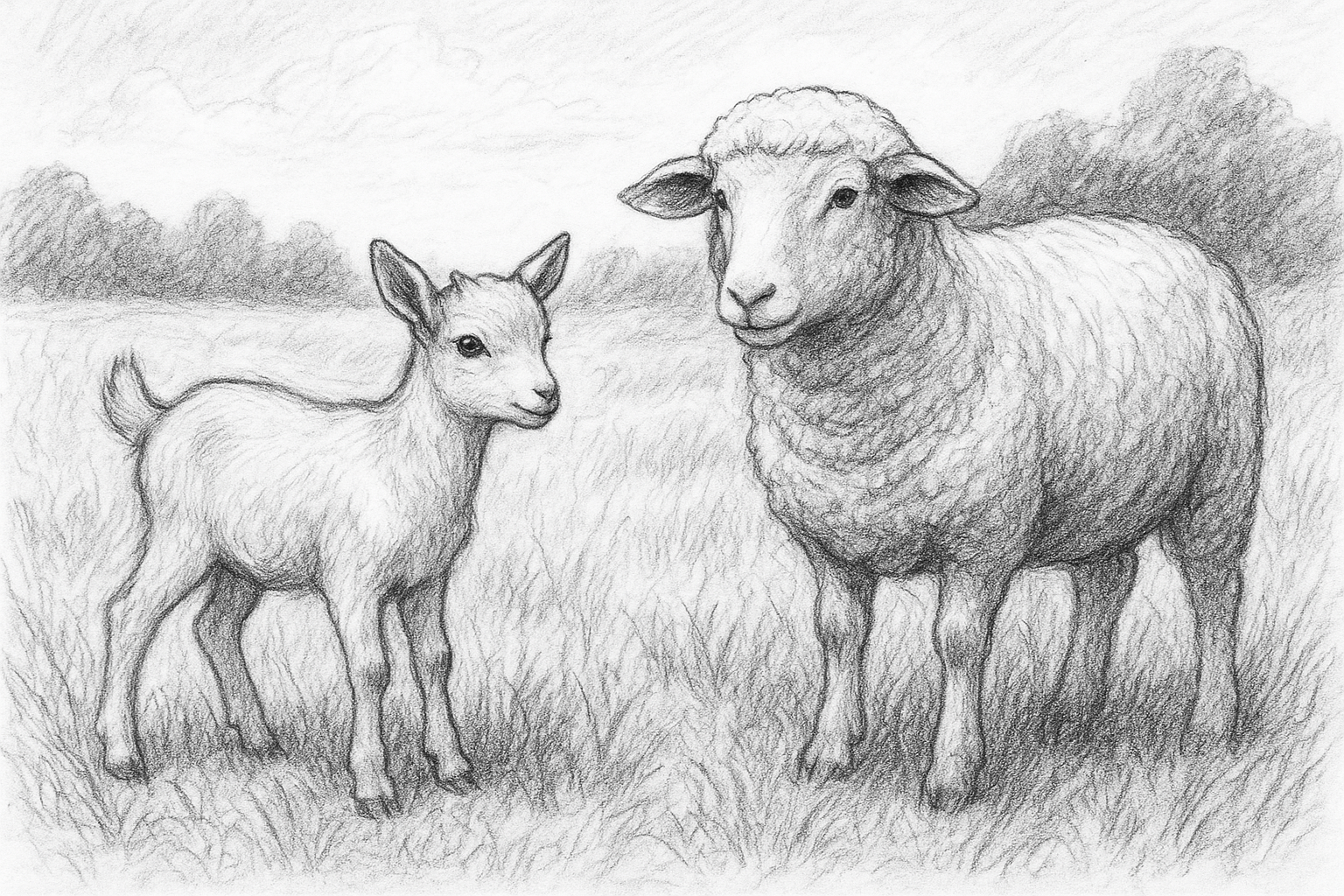
The American market for goat and sheep meat represents one of agriculture's most underutilized opportunities. The United States imports substantial quantities of both goat and sheep meat annually, indicating strong domestic demand that local producers could capture. Recent trends show that while imports remain significant, domestic production continues lagging behind demand, creating opportunities for producers willing to understand the market dynamics and develop targeted marketing strategies.
Unlike conventional livestock markets dominated by commodity pricing, goat and sheep meat sales depend heavily on direct marketing, ethnic communities, and specialized channels. Success requires understanding consumer demographics, seasonal demand patterns, and the critical role of processing infrastructure in market access.
Understanding Your Market Demographics
The foundation of successful goat and sheep marketing lies in understanding who actually purchases these products in your area. Start by asking yourself: Do you live within driving distance of a major city? Are there significant ethnic populations in your region? What restaurants, grocery stores, and community centers serve these populations?
Ethnic communities drive the vast majority of demand for goat and sheep meat in America. The Hispanic population continues expanding rapidly and represents the largest consumer group for goat meat. Look for areas with Mexican restaurants, Hispanic grocery stores, and churches that serve Spanish-speaking communities. The Muslim population is growing significantly across the country—search for mosques, halal grocery stores, and Middle Eastern restaurants in your area. Asian communities, particularly those from countries where goat and sheep are dietary staples, continue increasing in size and purchasing power.
To identify your local market, drive through areas with ethnic businesses and take note of restaurants featuring lamb or goat dishes. Visit ethnic grocery stores and ask managers about their meat suppliers and customer demand. Attend cultural festivals and community events where you can meet potential customers directly. Check online for local ethnic community organizations, religious centers, and cultural associations.
Each community has specific preferences and purchasing patterns you need to understand. Different ethnic groups prefer animals at different stages of life and various weights depending on their traditional cooking methods and cultural celebrations.
Beyond ethnic markets, health-conscious consumers increasingly seek goat meat for its nutritional advantages. Look for natural food stores, farmers markets with health-focused customers, and communities with higher incomes and education levels where lean protein messaging resonates.
Direct Marketing for Maximum Profits
Direct marketing offers substantially higher profit margins compared to commodity sales, but requires developing retail skills alongside production expertise. The price difference between direct sales and auction markets can be dramatic, with direct marketers often receiving several times commodity prices for the same animals.
Before choosing your approach, consider your situation: How much time can you dedicate to customer interaction? Are you comfortable talking with people about your farming practices? Do you have reliable transportation to deliver animals or attend markets? Your answers will guide which direct marketing methods work best for your operation.
Start with live weight or hanging weight sales for the most practical entry into direct marketing. Begin by posting on local Facebook groups, Craigslist, or community bulletin boards. Contact local religious leaders who can connect you with community members looking for quality meat. Attend farmers markets, cultural festivals, and community events where you can meet potential customers directly.
Live weight sales involve customers purchasing based on the animal's weight while alive, but you handle processing arrangements. Start by calling local processors to understand their scheduling, costs, and requirements. Build relationships with 2-3 facilities so you have backup options. The specific payment arrangements with your customer depend on your processor type and local regulations. Create a simple price sheet showing your live weight prices and estimated total costs including processing.
Hanging weight sales work where customers pay based on the carcass weight after slaughter but before processing cuts are made. This requires the same processor relationships as live weight sales. Like live weight sales, customers typically reserve animals with deposits and pay processing fees separately. Create clear written agreements about pricing, deposits, and customer responsibilities.
Meat share programs allow you to sell portions of animals in advance, providing working capital while guaranteeing sales. Start small—offer half or quarter shares to friends, neighbors, and coworkers. Create simple marketing materials explaining what customers receive and the total cost. This approach requires advance planning with processors and clear communication about pickup timing.
Farmers market sales focus on selling individual cuts and prepared products. Visit existing farmers markets in your area to understand vendor requirements, fees, and customer preferences. Start with ground meat, sausages, and common cuts before expanding to specialty items. Bring cooking instructions and recipe cards—most customers need education about preparing goat and sheep meat.
Converting less popular cuts into value-added meat products can significantly increase revenue per animal. Partner with local processors who can make sausages, ground meat, and jerky from your animals. Start simple with basic sausage flavors and expand based on customer feedback.
Alternative Sales Channels
While direct sales offer higher margins, alternative channels can provide volume sales with reduced marketing effort. Ethnic restaurants and high-end establishments increasingly feature goat and sheep dishes. Successful restaurant sales require consistent, year-round supply and reliable quality standards. Restaurants typically prefer specific cuts and portion sizes, making communication about product specifications essential.
Ethnic grocery stores in areas with significant immigrant populations provide steady outlets for producers willing to meet store requirements. Many stores prefer fresh over frozen products, and building relationships with store owners can lead to regular sales arrangements. Traditional livestock auction markets provide commodity-style sales with minimal marketing effort, though prices often fail to capture the premium values available through direct marketing.
Understanding the difference between commodity and premium channels helps producers make strategic decisions about where to focus their marketing efforts based on their production capacity and management preferences.
Processing: The Marketing Bottleneck
Processing infrastructure represents the most significant constraint facing goat and sheep meat marketers. Understanding processing options and developing processor relationships often determines marketing success more than production capabilities.
For commercial meat sales, producers need access to USDA-inspected or state-inspected facilities. USDA inspection allows interstate sales but requires a federal inspector present during all operations, making these facilities more expensive and less flexible. State inspection programs allow sales within that state and often provide more flexibility for smaller operations.
Custom exempt processing only works for animals already sold live to customers, with meat stamped for personal consumption only. This option supports live animal sales but doesn't allow producers to sell processed meat commercially.
Limited processing capacity creates bottlenecks during peak demand periods, particularly before major holidays. Successful producers develop relationships with multiple processors and plan processing schedules well in advance. Many operations partner with other producers to share transportation costs and guarantee processing access during busy periods.
Seasonal Marketing and Holiday Opportunities
Understanding seasonal demand patterns maximizes profitability while reducing inventory management challenges. Prices vary significantly throughout the year, with peaks occurring before major religious and cultural holidays and lows during periods of reduced demand.
Easter represents the largest demand period for both lamb and goat meat across multiple ethnic communities. Ramadan creates sustained demand for goat meat throughout the month-long observance. Eid al Adha generates concentrated demand for specific animal weights and ages. Various other cultural and religious celebrations create additional marketing opportunities throughout the year.
Successful holiday marketing requires breeding schedules that align birth timing with market demand. Producers often use supplemental feeding programs to ensure animals reach target weights during peak demand periods. Understanding which holidays matter to your customer base and planning production accordingly can dramatically improve profitability.
Modern Marketing Tools and Social Commerce
Marketing goat and sheep meat increasingly benefits from digital tools for customer communication and sales management. Social media platforms have emerged as powerful tools for food marketing, offering opportunities to showcase farm practices, animal welfare standards, and final products.
Visual platforms work particularly well for meat producers because they can demonstrate transparency in production methods and build trust with consumers. These platforms allow producers to tell their farm story, educate customers about cooking methods, and maintain ongoing relationships between sales.
E-commerce integration enables direct sales to consumers beyond the immediate geographic area. Online marketplaces provide access to national markets, though producers must navigate shipping challenges and maintain cold chain integrity. Many producers report success with meal kit services and specialty food delivery platforms that emphasize locally-sourced, sustainable ingredients.
Email newsletters and customer databases help producers communicate with established customers about availability, seasonal offerings, and farm updates. However, many ethnic customers prefer personal relationships and direct communication over digital interfaces. Successful marketers often combine modern tools with traditional relationship-building approaches.
Sustainability and Welfare as Marketing Tools
Consumer interest in sustainability and animal welfare continues growing, creating marketing opportunities for producers willing to document and communicate their practices. An increasing number of consumers prioritize sustainability when making purchasing decisions, particularly among higher-income demographics.
Producers can differentiate their products through third-party certifications or by clearly communicating their production practices. These approaches provide credible verification of production methods that many consumers value, though they may require additional record-keeping and costs.
Many successful direct marketers emphasize farm stories, grazing practices, and animal care protocols in their marketing materials. Consumers increasingly want to understand land stewardship practices, environmental benefits, and how their purchasing decisions support sustainable agriculture. Farm tours provide an especially powerful way to win over potential customers by letting them see operations firsthand. Nothing builds trust and justifies premium pricing like customers witnessing animal care and land management practices in person.
The growing interest in regenerative agriculture provides opportunities for producers using holistic grazing management. Marketing materials can emphasize soil health improvements, carbon sequestration, and biodiversity benefits of rotational grazing systems while connecting these practices to meat quality and flavor.
Cooperative Marketing Strategies
Individual producers often lack the volume and resources needed to access larger markets or negotiate favorable processing arrangements. Cooperative marketing approaches can help small producers compete more effectively by pooling resources and sharing costs.
Marketing cooperatives pool animals from multiple producers to achieve volumes needed for large buyers or processors. These arrangements can access better prices through volume while reducing individual marketing efforts. Processing cooperatives allow multiple producers to share processing costs and access. Some groups invest in mobile processing units or collectively contract with facilities for regular processing dates.
Purchasing cooperatives combine buying power for feed, supplements, veterinary supplies, and other inputs. Group purchasing can reduce costs significantly while ensuring access to quality inputs during supply chain disruptions.
Cooperative marketing provides increased bargaining power, shared marketing costs, access to larger markets requiring consistent volume, and reduced individual risk through diversified sales. However, cooperatives also present challenges including quality standardization requirements, scheduling coordination, and the need for transparent financial management.
The most successful cooperatives typically start small with producers who know and trust each other, develop clear agreements about quality standards and pricing, and maintain transparent operations as they grow.
Getting Started
Start by researching ethnic communities, restaurants, and grocery stores in your area. Secure processing relationships early since processor availability often determines your marketing options more than production capacity. Build customer relationships through consistent communication and reliable quality.
Many successful operations start with direct sales to learn customer preferences, then gradually add wholesale accounts and restaurants as volume increases. Use advance sales and deposits to improve cash flow while guaranteeing sales. Success depends more on marketing skills and relationship building than production efficiency alone.
The fundamental market trends favor continued growth in demand for goat and sheep meat. Expanding ethnic populations, increased interest in locally-produced foods, and continued reliance on imports create strong long-term opportunities for domestic producers willing to invest time in understanding their markets and building customer relationships.
References
ATTRA - National Sustainable Agriculture Information Service. "Meat Goat Production and Marketing."
Goats.extension.org. "Marketing and Economics."
Goats.extension.org. "Marketing Meat Goats, the Basic System."
National Agricultural Law Center. "Meat Processing: Federal Inspection Requirements."
NC State Extension. "Marketing Kids."
Niche Meat Processor Assistance Network. "USDA Grants for Meat Processors & Producers."
Oklahoma State University Extension. "Goat Meat Production."
Penn State Extension. "Meat Goat Production and Marketing."
Sheep & Goat Marketing Directory. "Marketing Directory."
USDA Rural Development. "Meat and Poultry Processing Expansion Program."